
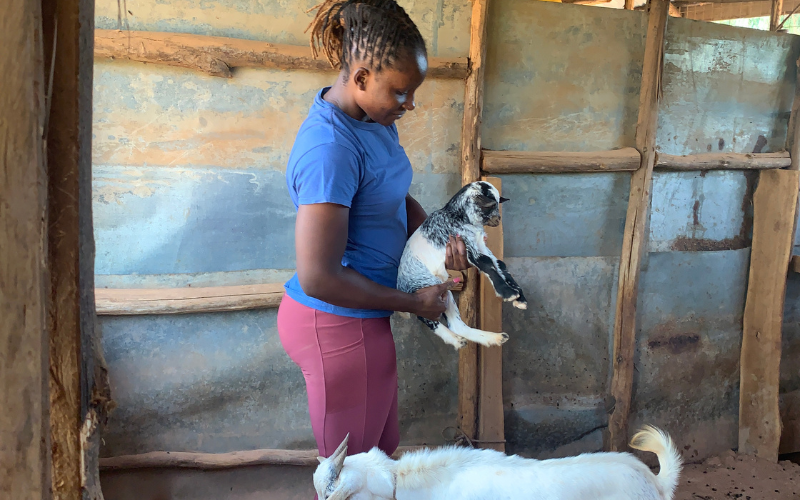
Moving to the village is a life-changing decision—one that comes with both excitement and uncertainty. If you’ve spent most of your life in the city, the shift can feel like stepping into a completely different world. The noise fades, convenience becomes limited, and the fast pace slows down. At first, this can feel uncomfortable—even unsettling.
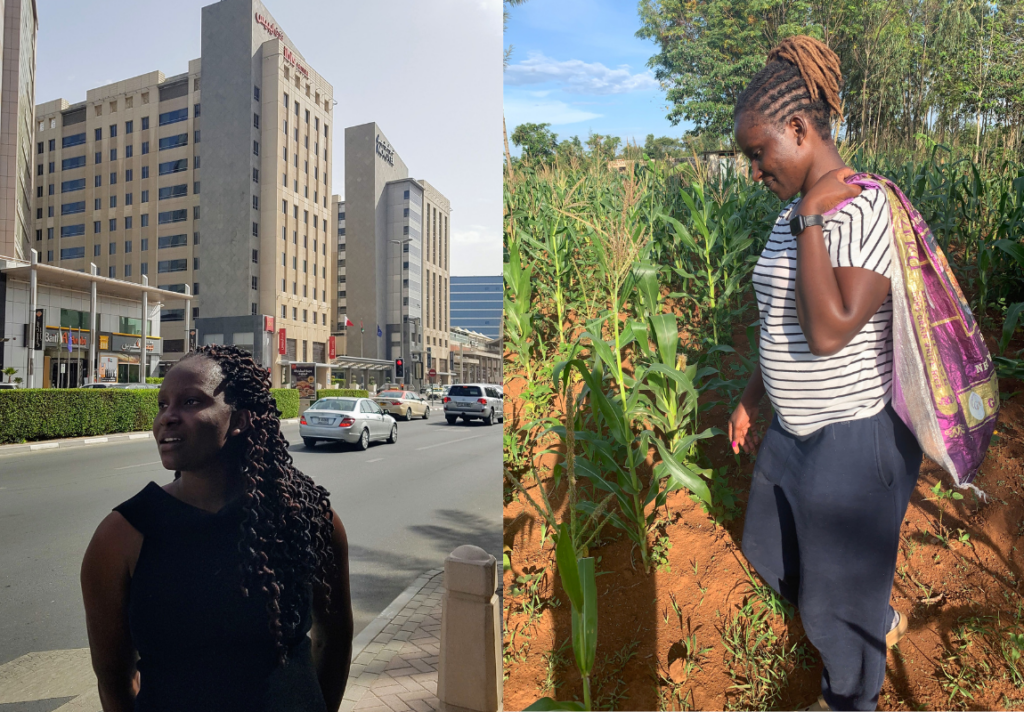
But beyond the physical changes, the real adjustment happens internally. You may find yourself questioning your decisions, feeling misunderstood, or even doubting your progress. These experiences are normal. The truth is, transitioning to rural life is not about losing something—it’s about gaining a different kind of life. One that is slower, more intentional, and often more fulfilling.
1. Addressing Thoughts of Failure
It’s easy to feel like you’ve “fallen behind” when you leave the city. You might scroll through social media and see peers climbing corporate ladders, buying cars, or living fast-paced lives—and suddenly, your quiet village life feels like a step back.
But this comparison is often misleading.
Steps to Overcome:
- Reframe Your Definition of Success: Ask yourself what truly matters to you. Is it peace of mind? Financial freedom without burnout? Growing your own food? Success is personal, not societal.
- Recognize Invisible Wins: In the village, success may look like harvesting your first crop, building something from scratch, or learning to live with less. These are powerful achievements, even if they aren’t celebrated online.
- Limit Comparison Triggers: Reduce time spent comparing your life to curated online realities. Focus on your real, lived experience instead.
- Track Your Own Growth: Keep a journal or mental record of what you’re learning—skills, habits, resilience. You’ll realize you’re progressing in ways you never did before.
2. Coping with Discouragement from Friends and Family
When you move to the village, not everyone will understand your decision. Some may question you directly: “Why would you leave a good life in the city?” Others may express subtle doubt or disappointment.
This can be emotionally draining, especially when it comes from people you care about.
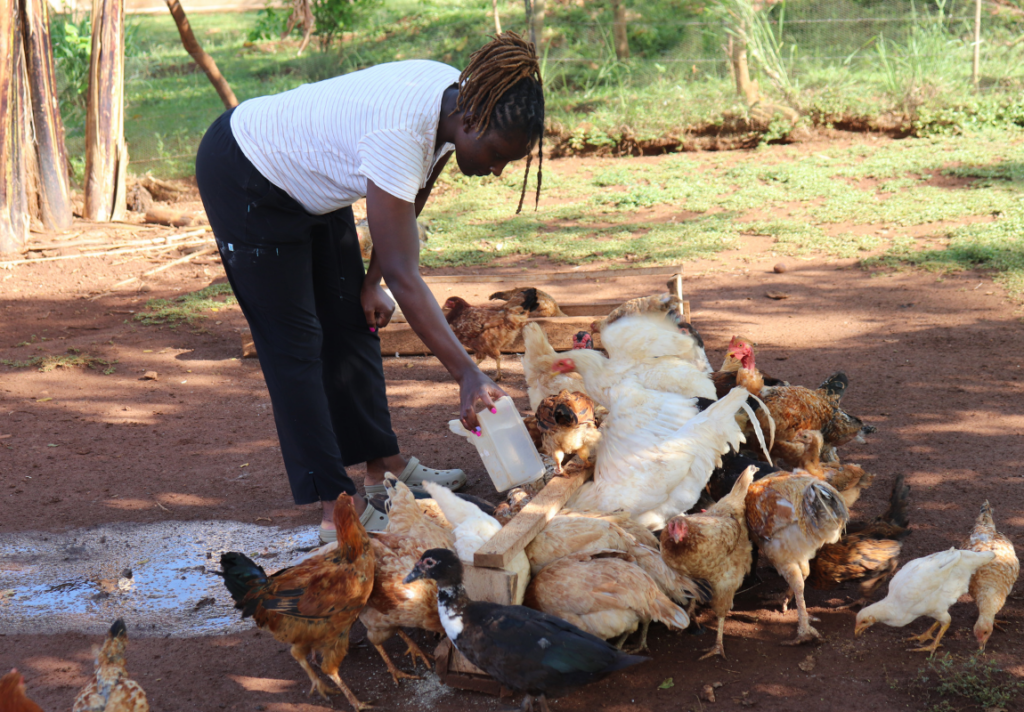
Steps to Cope:
- Communicate Honestly: Share your reasons without being defensive. Whether it’s peace, cost of living, or purpose—let them see your perspective.
- Accept That Not Everyone Will Understand: Some people relate to life only through their own experiences. Their doubt is not a reflection of your decision.
- Find Your Community: Connect with neighbors, farmers, or even online groups living similar lifestyles. Shared experiences create encouragement.
- Give It Time: As people begin to see you stable, content, and growing, their skepticism often turns into respect—or even curiosity.
3. Overcoming the Perception of “Losing Yourself”
A common assumption is that leaving the city means you’ve “settled” or given up on ambition. People may think you’re wasting your education or potential.
But in reality, you may be rediscovering yourself in ways the city never allowed.
Steps to Overcome:
- Stay Grounded in Your Purpose: Whether it’s building a sustainable life, raising a family, or starting something meaningful—remind yourself why you made the move.
- Redefine Productivity: Productivity doesn’t always mean meetings, deadlines, or office work. It can mean growing food, building systems, or creating something tangible.
- Share Your Journey: Let people see what you’re doing—your projects, your growth, your lifestyle. It helps reshape their perception.
- Celebrate Your Identity: You are not “less than” because you chose differently. You are simply living intentionally.
4. Countering Assumptions of Ignorance or Lack of Knowledge
There’s a stereotype that living in the village means you’re disconnected or less informed. This couldn’t be further from the truth.
In fact, you may gain knowledge that many people in cities never experience.
Steps to Counter This:
- Stay Curious and Informed: Continue learning—through books, podcasts, internet, or conversations. Knowledge is not tied to geography.
- Value Practical Skills: Knowing how to grow food, manage land, or build systems is intelligence in action. These are life skills, not limitations.
- Speak Confidently: When engaging in discussions, don’t downplay your experiences. Your perspective is unique and valuable.
- Bridge Both Worlds: You have the advantage of understanding both urban and rural life—this makes your insight richer and more balanced.
5. Challenging Negative Stereotypes About Rural Life
Villages are often misunderstood. People may associate them with struggle, lack, or stagnation. Hearing this repeatedly can make you question your own environment.
But the reality is often very different.
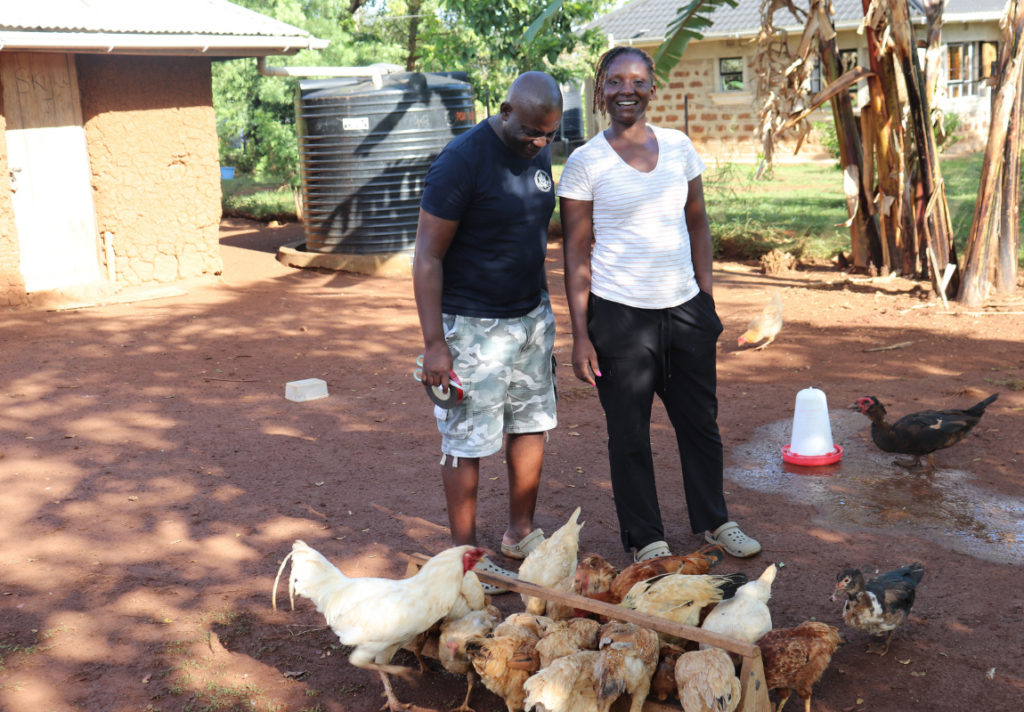
Steps to Challenge Stereotypes:
- Focus on What You Gain: Clean air, fresh food, lower living costs, and a slower pace of life are not disadvantages—they are privileges.
- Document Your Reality: Whether through photos, stories, or conversations, show the beauty and functionality of your daily life.
- Engage Locally: Participate in your community, support local initiatives, and contribute to growth. You become part of the progress.
- Shift the Narrative: Instead of defending village life, confidently live it. Your experience becomes proof that these stereotypes are outdated.
6. Combating Misconceptions About Appearance
Another subtle but common assumption is that rural living leads to neglect in appearance—that you become less polished or less presentable.
But this is more about mindset than location.
Steps to Overcome:
- Maintain Simple Routines: Clean clothes, grooming, and self-care don’t require a city—they require intention.
- Embrace a Natural Lifestyle: Physical activity, fresh food, and less stress often improve your overall health and appearance.
- Dress for Your Life: Your style may change to suit your environment, but that doesn’t mean losing your sense of self. It means adapting.
- Build Confidence from Within: When you feel fulfilled and grounded, it reflects outwardly. Confidence becomes your best presentation.
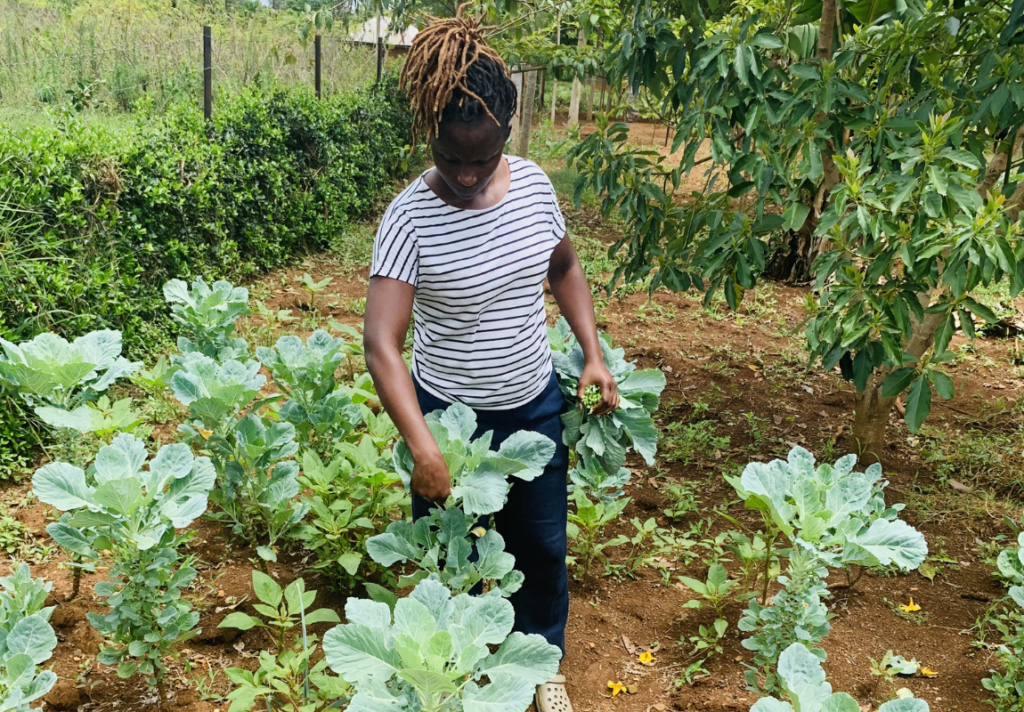
Redefining Life on Your Own Terms
Moving to the village is not about escaping life—it’s about choosing a different version of it. One that prioritizes meaning over noise, connection over comparison, and purpose over pressure.
Yes, there will be challenges—moments of doubt, misunderstanding, and adjustment. But there will also be growth, clarity, and a deep sense of fulfillment that is hard to find in a fast-paced world.
In the end, your life does not need to look like anyone else’s to be successful. Sometimes, the boldest move you can make is to slow down, step away from expectations, and build a life that truly feels like your own.
Leave a Reply