
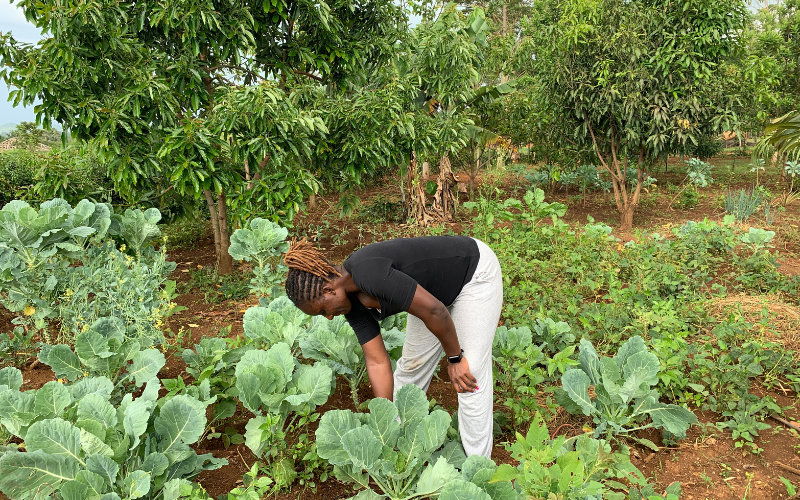
Where the Kitchen Meets the Soil
There is something deeply fulfilling about stepping out of your kitchen and into a garden that feeds it. It is a quiet, powerful connection—one that turns cooking from a routine into a meaningful experience.
Living and cooking in the village has taught me that a kitchen garden is not just an addition to the home—it is the heartbeat of everyday life. It keeps the kitchen alive, vibrant, and constantly supplied with fresh ingredients.
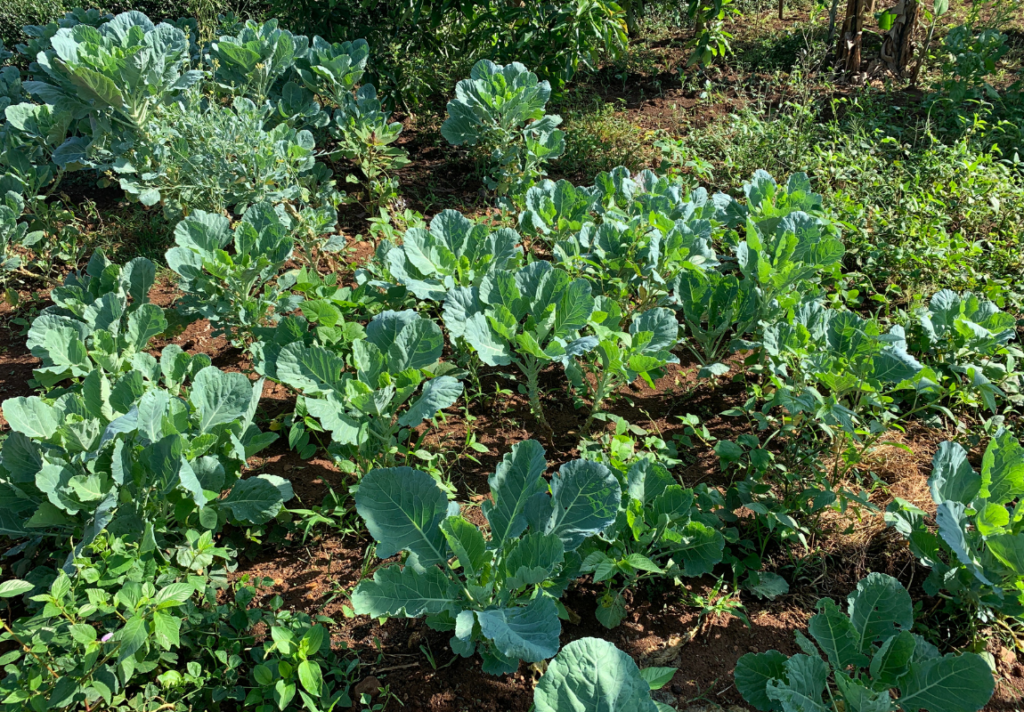
In places where markets are not always easily accessible, a kitchen garden becomes even more valuable. It reduces dependence on outside sources, saves time and money, and ensures that what ends up on your plate is fresh, nutritious, and grown with care. Much like water sustains our bodies, a kitchen garden sustains the home.
Here are the key elements of maintaining a thriving kitchen garden:
1. A Kitchen Garden Reduces Market Dependence
A well-planned kitchen garden can supply a significant portion—if not all—of your household groceries. Imagine walking outside to pick fresh vegetables instead of planning trips to the market. This convenience not only saves time but also reduces the stress of fluctuating food prices and availability.
Over time, your garden becomes a reliable source of daily ingredients—leafy greens, herbs, and seasonal vegetables—allowing your kitchen to run smoothly and consistently. It gives you a sense of independence, knowing that your meals are not entirely dependent on external supply chains.
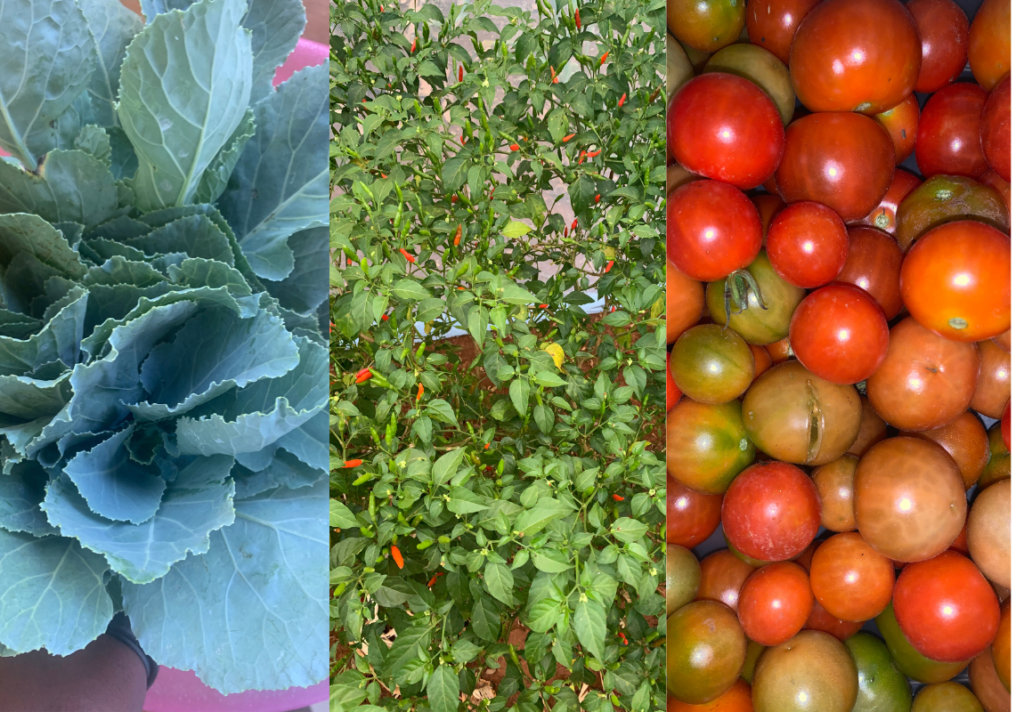
2. Take Advantage of the Wet Season
The rainy season is one of the most rewarding times for any gardener. With the soil naturally nourished by consistent rainfall, crops grow faster and healthier with minimal effort. Seeds germinate easily, and plants thrive without the need for constant watering.
This is the perfect time to plant a variety of crops and expand your garden. By taking full advantage of the wet season, you can build a strong, productive garden that will continue to support you even as conditions change.
3. Use Organic Manure for Healthy Soil
Healthy soil is the backbone of a thriving kitchen garden, and one of the most sustainable ways to enrich it is through organic manure. This is where chicken keeping becomes a powerful and dynamic part of the system.
Keeping chickens is not just about eggs or meat—it creates a natural cycle that benefits your entire household. Chicken droppings, when properly collected and composted, transform into nutrient-rich manure that significantly improves soil fertility. Instead of viewing waste as something to discard, it becomes a valuable resource that feeds your garden.
You can collect chicken waste, mix it with dry materials like leaves or ash, and allow it to decompose over time. This process reduces its intensity and turns it into safe, effective fertilizer. When added to your garden, it enriches the soil with essential nutrients, improves structure, and supports strong, healthy plant growth.
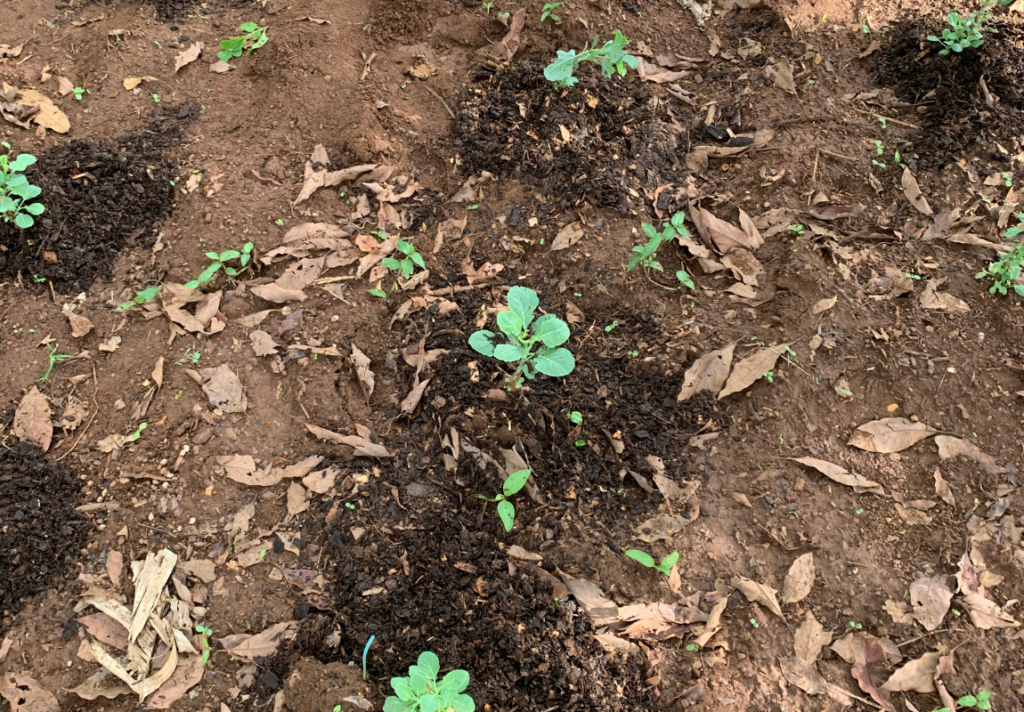
In this way, your chickens and your garden work together—one feeding the other—creating a sustainable and efficient system right at home.
4. Choose the Right Seeds
The success of your kitchen garden begins with the seeds you choose. Indigenous and resilient vegetable varieties are often the best option, as they are naturally adapted to local conditions. They tend to require less maintenance, resist pests better, and produce richer flavors.
Crops such as cherry tomatoes, spring onions, kales, cowpea leaves, and spider plant are excellent choices. They grow well in many conditions and can provide a steady supply of food for your kitchen. Choosing the right seeds ensures that your efforts in the garden are rewarded with healthy and abundant harvests.
5. Prepare Your Garden Early
Good preparation sets the stage for a successful harvest. Before planting, it is important to dig your garden and apply manure at least a month in advance. This allows the manure to fully decompose and blend into the soil, creating a rich and balanced growing environment.
Early preparation also helps improve soil texture, making it easier for roots to grow and absorb nutrients. When planting time comes, your garden is already primed to support strong and healthy crops.
6. Practice Seed Saving
Sustainability in a kitchen garden comes from continuity. By saving seeds from your best harvests, you create a reliable supply for future planting. This practice reduces the need to constantly purchase seeds and ensures that you always have access to crops that perform well in your environment.
Seed saving is especially valuable during dry seasons or times when resources are limited. It gives you control and confidence, knowing that your garden can continue to thrive regardless of external conditions.
7. Water During the Dry Season
While the rainy season offers abundance, the dry season requires commitment and care. Without sufficient water, crops can quickly weaken or fail. Consistent watering becomes essential to maintain the health and productivity of your garden.
Simple practices like watering early in the morning or late in the evening can help reduce water loss and keep your plants hydrated. Even during challenging conditions, regular attention ensures that your garden continues to produce.
8. Balance with Market Supply When Needed
A kitchen garden is a source of support, not pressure. There will be times—especially during extreme dry periods—when your garden may not meet all your needs. In such moments, it is perfectly reasonable to rely on the market.
The goal is not complete self-sufficiency at all times, but rather a balanced approach that combines homegrown produce with external sources when necessary. This flexibility makes the system more practical and sustainable in the long run.
Conclusion: A Way of Life Rooted in Survival
In the end, a kitchen garden is more than just a source of food—it is a way of life. It brings independence, freshness, and a deeper connection to what you eat. It teaches patience, responsibility, and the value of working with nature rather than against it.
Just like water sustains life, a kitchen garden sustains the home—quietly, steadily, and meaningfully. One harvest at a time, it transforms not just how you cook, but how you live.

Leave a Reply