
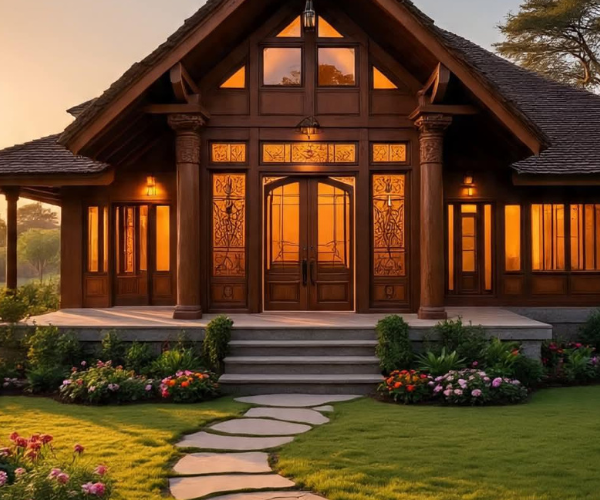
Big house dreams dominate today’s world, where appearances often take center stage, leading many people to chase after bigger and grander homes.
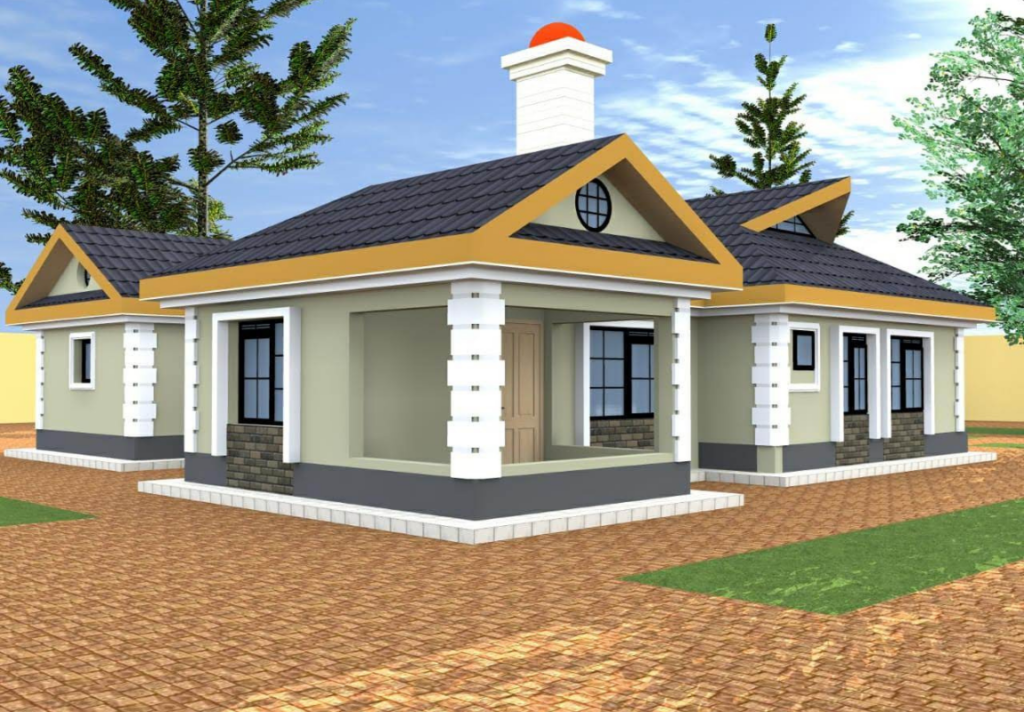
Social media, celebrity culture, and even our own competitive instincts often drive us to believe that the bigger the house, the better our lives will be. But is that really true?
Let’s stop and think about it for a moment. Does a large, sprawling house truly make life more comfortable or meaningful? Even with a large family, is it practical—or even desirable?
From my point of view, the answer is no. Here’s why.
1, The Financial Implications
First and foremost, a big house comes with a big price tag. Building a large home from the ground up demands a significant financial investment—not only in construction but also in design, furnishing, and decoration.
Each room needs to be thoughtfully designed and equipped, and that process can be incredibly time-consuming and stressful.
Beyond the initial build, the ongoing costs are relentless. Utility bills skyrocket, property taxes increase, and insurance premiums rise. And for what? Often, many of the rooms in a large house go unused, collecting dust and draining resources.
2. Too Much Space With no Purpose
There’s something ironic about how a big house, which is supposed to feel like a luxury, can end up feeling empty and cold.
Huge homes often have more rooms than necessary—“just in case” spaces that end up unused or filled with clutter. These rooms might look impressive, but they serve no real purpose, A home should feel warm, inviting, and lived in—not like a showroom.
Moreover, building a massive house often means sacrificing precious outdoor space. You could have had a lush garden, a serene meditation area, a safe and fun outdoor playground for kids, or even something practical like a chicken coop. Instead, all that open space gets swallowed up by concrete and walls.
3. Cleaning Becomes a Never-Ending Task
Let’s face it—cleaning a large house is no joke. Even the most enthusiastic neat freak will find it tiring to maintain cleanliness in so many rooms.
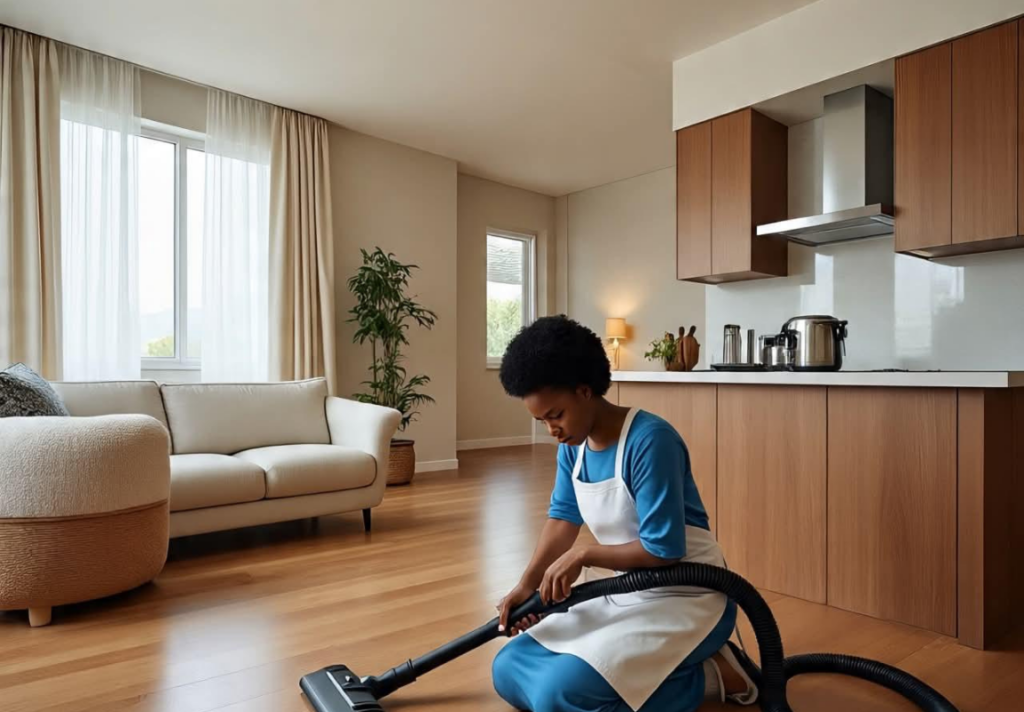
What starts off as pride in a beautiful, spacious home can quickly turn into a chore-filled nightmare. You’ll either spend countless hours scrubbing and dusting yourself or end up hiring help, which brings additional expenses.
In contrast, a modestly sized home is far more manageable. You can clean it thoroughly in a short amount of time, keep everything organized, and still have the energy to enjoy the rest of your day.
4. Maintenance is a Constant Concern
Every home requires maintenance. Over time, fixtures break, roofs leak, and paint peels. Now multiply those issues across dozens of rooms and expansive square footage. Suddenly, the maintenance that would be simple and affordable in a smaller house becomes a major source of stress.
And life, as we know, is unpredictable. Financial hardships can hit at any time. When you’re living in a large home that demands constant care and upkeep, those tough times become even more difficult to navigate.
Deferred maintenance can lead to more serious issues down the line, devaluing your property and compromising your comfort.
5. Financial Freedom Over Fancy Floorspace
One of the biggest arguments against building or buying a large home is the opportunity cost. The money spent on extra rooms and grand features could be better used elsewhere—invested in meaningful experiences, saved for the future, or spent on passions and hobbies that enrich your life.
You could travel, start a business, support charitable causes, or simply enjoy more financial freedom and peace of mind. In the end, the joy of financial flexibility often far outweighs the fleeting satisfaction of owning a massive home.
5. Peace of Mind in Simplicity
A home should be a place of rest, a sanctuary from the chaos of the world. But when your house becomes the source of that chaos—due to size, upkeep, and financial strain—it defeats its own purpose.
Smaller, thoughtfully designed homes offer peace and simplicity. They encourage you to be intentional about what you own and how you live. They foster togetherness rather than separation, reduce stress, and create a cozier, more nurturing environment.
In Conclusion
A big house might seem like a dream, but for many, it turns out to be a burden in disguise. From the overwhelming costs to the stress of maintenance and cleaning, the reality often doesn’t match the fantasy.
Choosing a home that suits your actual needs—not your ego or society’s expectations—can lead to a more grounded, fulfilling, and joyful life. It’s not about how much space you have; it’s about how you use it.
So, before you start sketching out your dream mansion, consider this: maybe your dream home isn’t the biggest house on the block—it’s the one that makes you feel most at home.

Leave a Reply